A Beginner’s Guide to Yoga: What to Know Before Your First Class
Starting yoga can feel a little intimidating if you have never tried it before.
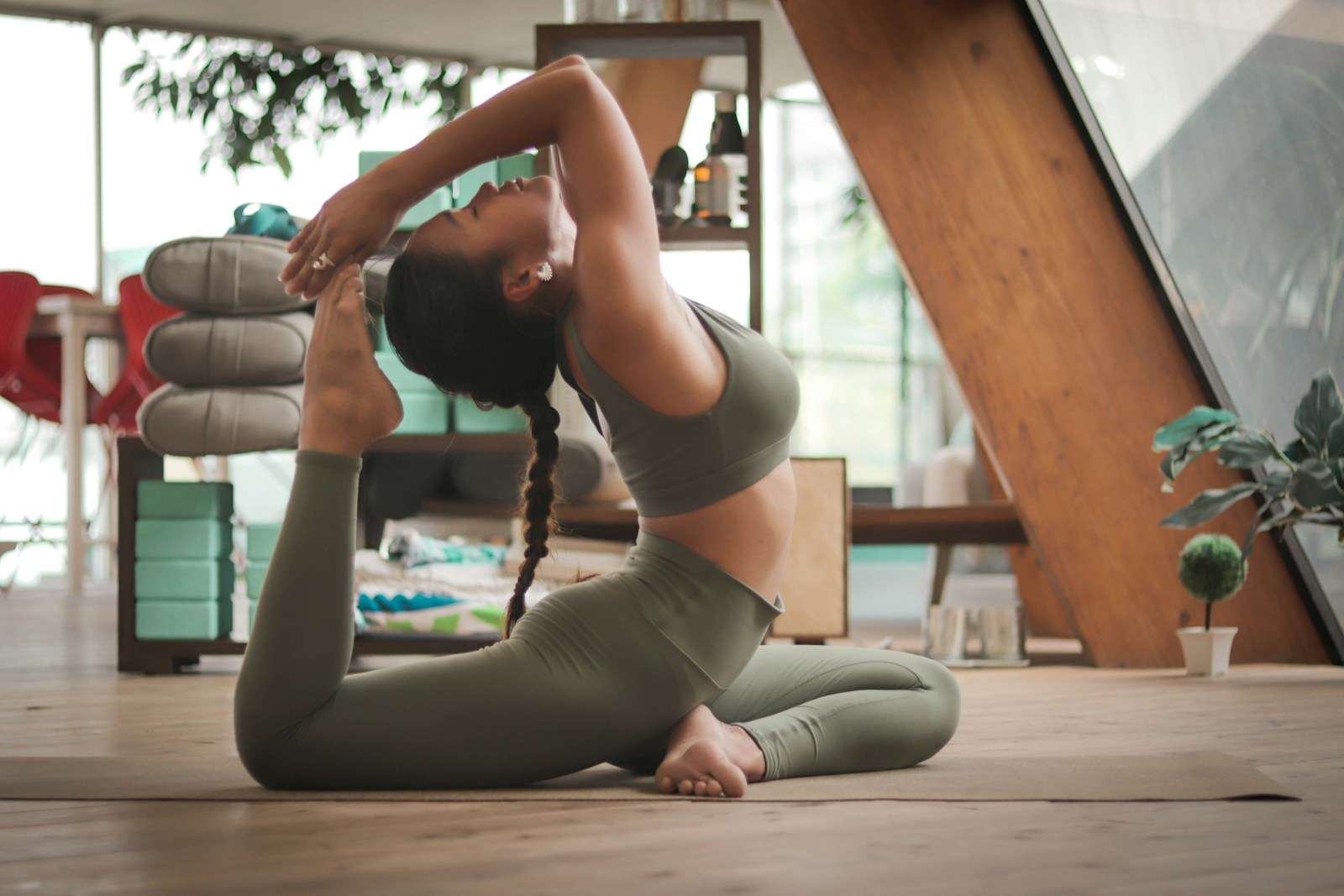
Maybe you have seen photos of people balancing on one hand, folding themselves into impossible-looking positions, or flowing through complicated sequences and thought, “There is no way I can do that.”
The good news is that you do not need to be flexible, strong, coordinated, or experienced to begin yoga.
You simply need to start where you are.
Yoga can be adapted to many different bodies, fitness levels, ages, and goals. Some people come to yoga because they want to improve flexibility. Others want to build strength, move more comfortably, manage everyday stress, or simply spend an hour away from screens and responsibilities.
Whatever brings you to the mat, your first class is just the beginning of learning what works for you.
What Is Yoga?
Yoga is a practice that combines physical movement, breathing, concentration, and relaxation.
While there are many different forms of yoga, most modern classes include a series of physical postures, often called poses or asanas, combined with intentional breathing.
Some classes move quickly from one pose to another. Others are slower and focus on stretching, mobility, or relaxation.
You may encounter classes that feel almost like a workout, while others feel closer to guided stretching and meditation.
There is no single “correct” way to practice yoga.
The right class depends on what you enjoy and what you want from your practice.
Do You Need to Be Flexible to Start Yoga?
No.
This is one of the most common misconceptions about yoga.
Flexibility is not a requirement for starting yoga. In fact, improving mobility and flexibility is one reason many people begin practicing in the first place.
You may not be able to reach the floor, straighten your legs completely, or move deeply into certain poses when you start. That is perfectly normal.
Yoga is not about forcing your body into a specific shape.
A good instructor will often offer different versions of a pose so that students can work within a comfortable range of motion.
Over time, you may notice that certain movements become easier. Your balance may improve. Tight areas may begin to loosen. You may also become more aware of how your body feels during different movements.
Progress in yoga usually happens gradually.
What Happens During a Beginner Yoga Class?
Every instructor and class is a little different, but beginner classes generally move at a slower pace and spend more time explaining each pose.
A typical class may begin with a few minutes of quiet breathing or gentle movement.
From there, the instructor may guide you through basic standing, seated, and lying-down poses.
Common beginner movements might include:
- Mountain Pose
- Child’s Pose
- Cat-Cow
- Downward-Facing Dog
- Warrior poses
- Gentle forward folds
- Basic balance poses
- Seated stretches
You do not need to memorize any of these names before attending.
The instructor will explain what to do.
Most yoga classes also finish with a short period of relaxation, often while lying comfortably on your back.
This final portion of class can feel surprisingly important. After spending time moving and focusing on your breath, a few quiet minutes can help your body settle and give you a chance to simply rest.
What Should You Wear to Yoga?
Comfort matters more than fashion.
Wear clothing that allows you to move easily without constantly needing to adjust it.
Athletic pants, leggings, shorts, comfortable T-shirts, or fitted workout tops are all common choices.
You do not need special yoga clothing.
Most yoga is practiced barefoot because this provides better contact with the mat and can make balancing easier.
If you are unsure what to wear, choose the same type of clothing you might wear for stretching or a light workout.
What Should You Bring?
You usually do not need much.
The most important item is a yoga mat.
Some studios provide mats, while others ask students to bring their own. If you are attending a class for the first time, check beforehand.
You may also want to bring:
- A bottle of water
- A small towel
- Comfortable clothing
- Any personal yoga props you prefer
Many studios provide blocks, straps, blankets, and other props.
Do not be afraid to use them.
Props are not only for beginners. They are tools that can make poses more comfortable, accessible, or effective.
What If You Cannot Do a Pose?
Skip it, modify it, or rest.
There is no prize for forcing yourself through a pose that does not feel right.
One of the most useful habits you can develop as a beginner is learning to pay attention to what your body is telling you.
Feeling a stretch or muscular effort is normal.
Sharp pain, pinching, dizziness, or significant discomfort is a reason to stop.
If something does not feel right, come out of the pose and rest.
Child’s Pose is commonly used as a resting position during yoga classes, but you can always sit, kneel, or lie down if that feels better.
Your yoga practice belongs to you.
How Often Should Beginners Practice Yoga?
You do not need to practice every day.
For many beginners, one or two classes per week is a comfortable starting point.
Consistency tends to matter more than frequency.
One class each week practiced regularly can be more useful than practicing every day for two weeks and then stopping completely.
As yoga becomes more familiar, you may decide to practice more often.
Some people enjoy combining different styles throughout the week. For example, you might take an active Vinyasa class one day and a slower Restorative class later in the week.
Experiment and see what works for your schedule and energy level.
Which Type of Yoga Is Best for Beginners?
Beginner-specific yoga classes are usually the easiest place to start because instructors expect students to be learning the basics.
However, several yoga styles can work well for new students.
Beginner Yoga
These classes focus on foundational poses, basic breathing, balance, and movement.
They are often the best choice for someone attending yoga for the first time.
Vinyasa Yoga
Vinyasa connects poses together into flowing sequences.
Some beginner-friendly Vinyasa classes can be a great next step if you enjoy movement and want a more active practice.
Restorative Yoga
Restorative classes are slower and emphasize comfortable poses, stretching, breathing, and relaxation.
They can be a good choice if you prefer a gentler experience.
There are many other styles of yoga, so do not worry if the first class you try does not feel perfect.
Sometimes finding the right style and instructor takes a little experimentation.
Yoga Is Not a Competition
This may be the most important thing for beginners to remember.
During class, you may notice someone nearby moving deeper into a pose, balancing longer, or appearing more flexible.
Their practice has nothing to do with yours.
Everyone enters a yoga class with a different body, background, experience level, and range of motion.
Comparing yourself to another student can turn a personal practice into an unnecessary competition.
Instead, focus on your breathing and how the movement feels in your own body.
You are not trying to become the person on the mat next to you.
You are simply learning more about your own movement.
Give Yourself Permission to Be a Beginner
Your first yoga class may feel unfamiliar.
You might lose your balance.
You may turn the wrong direction.
You might hear pose names you have never heard before.
That is part of being new.
Nobody begins yoga already knowing how to do everything.
The goal of your first class is not to perform every pose perfectly. It is simply to experience the practice.
If you enjoy it, come back.
With time, movements that once felt confusing begin to feel familiar. You may notice your balance improving, your breathing becoming steadier, and your body feeling more comfortable in certain positions.
But there is no finish line.
Yoga is called a practice for a reason.
Ready to Try Your First Class?
Starting yoga does not require weeks of preparation.
You do not need to become more flexible first.
You do not need expensive equipment.
And you do not need to know the names of the poses.
Choose a beginner-friendly class, bring a mat, wear something comfortable, and give yourself permission to learn.
Your first yoga class does not need to be perfect.
It just needs to be your first one.
